Our Village Ski Club Still Grooms Its Trails by Hand on Tuesday Nights
Twelve volunteers, one old snowmobile and a homemade track setter keep 18 kilometres of trails open all winter.

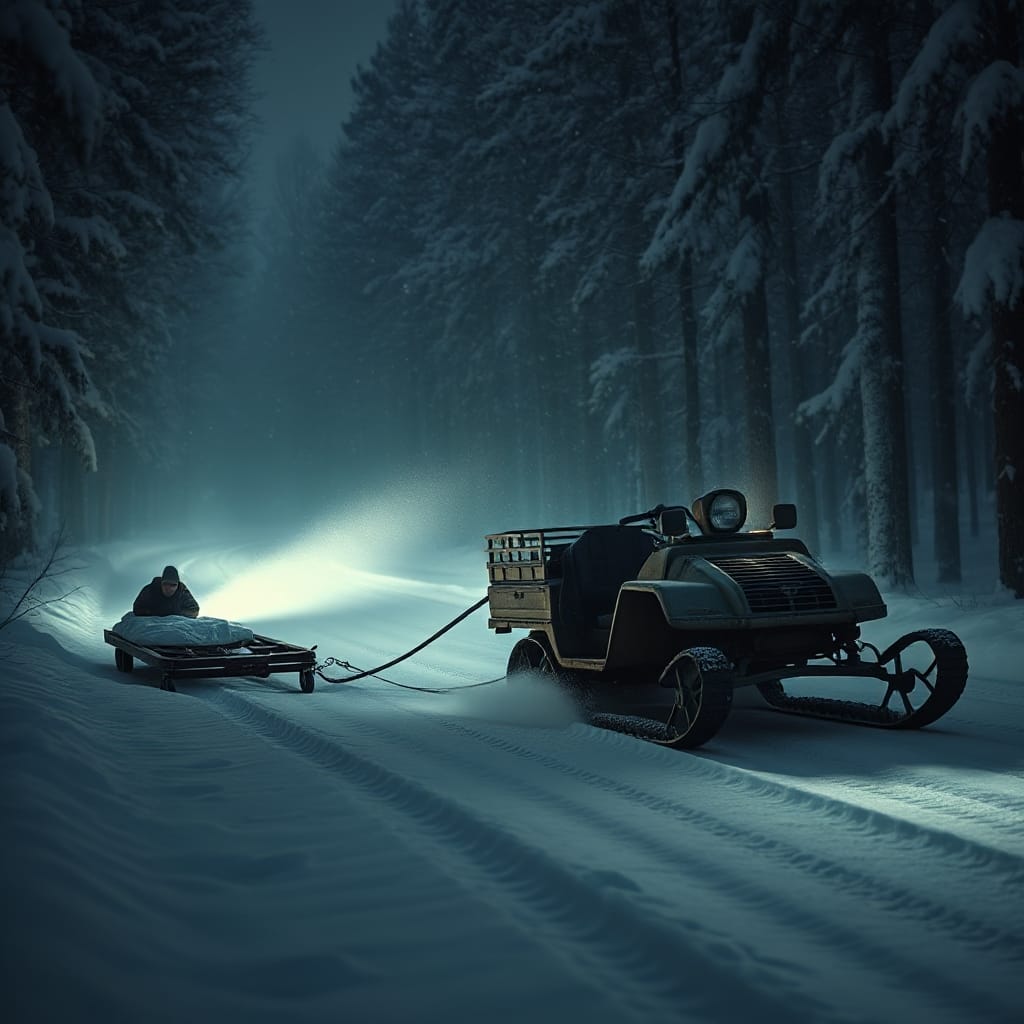
Every Tuesday from December to March, a group of us meets at a gravel car park at 19:00. Someone has a thermos, someone has a broken headlamp, and someone has always forgotten their gloves. Then we spend two to three hours making the ski trails that our village of about 900 people uses for the rest of the week.
Our club has 140 members, an annual budget smaller than a used car, and 18 kilometres of trail through forest and farmland. Larger towns have dedicated grooming machines that cost more than a house. We have a snowmobile from 2004 and a track setter that a retired welder built out of steel plate and two old ski profiles.
How a trail actually gets made
Fresh snow is useless for classic skiing until it has been packed. If you ski on it directly, you sink and the tracks collapse. So the first pass is with a heavy roller pulled behind the snowmobile, which compresses the snow into a firm base. Then we wait. Packed snow needs an hour or two to harden, a process called sintering, where the ice grains bond to each other at their contact points.
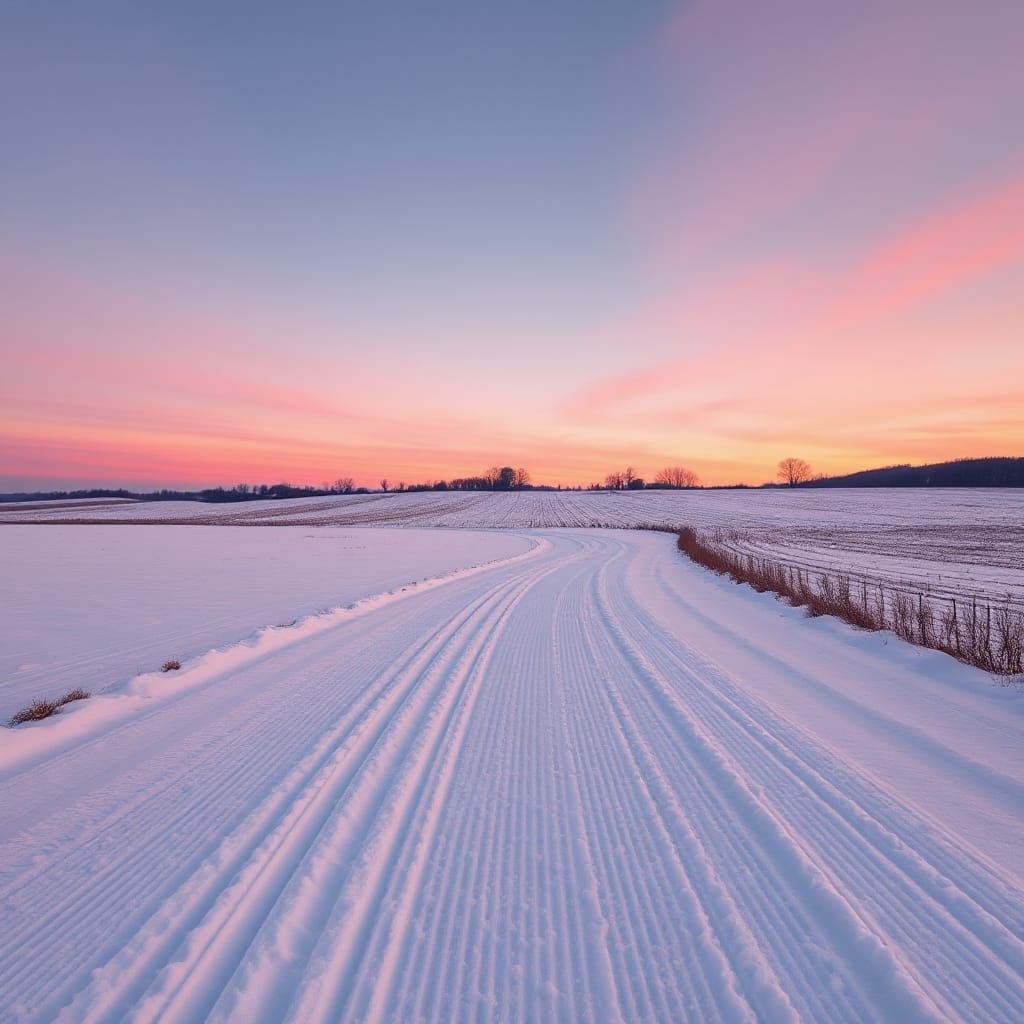
The second pass is with the track setter, which cuts two parallel grooves for classic skis. Get the timing wrong and the tracks either crumble or freeze into something like concrete. Our welder, who is 74, can tell the difference by pressing his boot into the snow. The rest of us use a cheap kitchen thermometer.
Who does the work
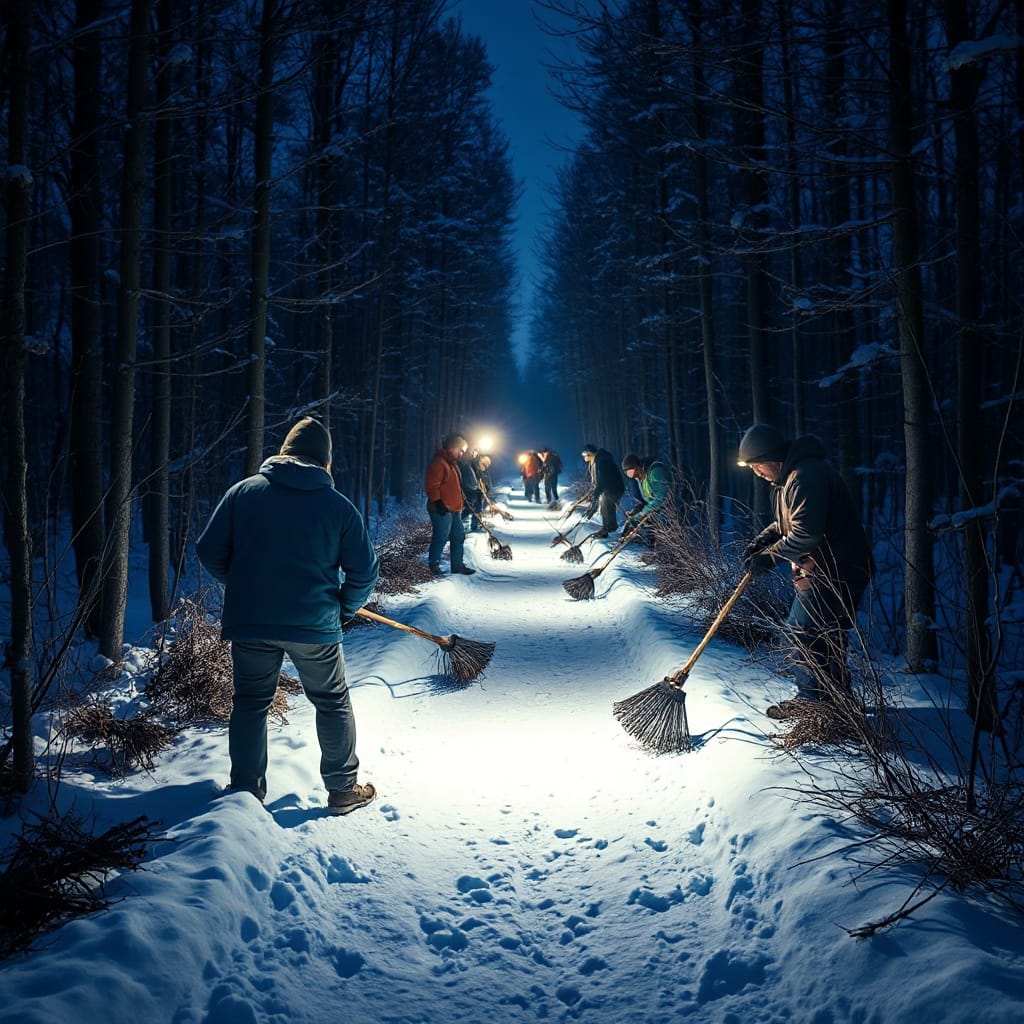
The volunteers are a strange and lovely mix. There is a dairy farmer who lends us access across three of his fields, a schoolteacher, two teenagers earning hours for a school project, and me. We split into teams: one on the snowmobile, two walking ahead with chainsaws and rakes to clear fallen branches, and one person at the car park keeping the fire going.
The farmer has one condition for using his land. We must never groom across his fields when the ground underneath is not frozen, because the weight can damage the grass for next summer. So every December we wait for a few nights below minus five before opening that section.
What it costs and who pays
Our biggest costs are fuel, insurance and repairs. Last season we spent around 38,000 kroner. About half comes from membership fees, a quarter from a small municipal grant, and the rest from a lottery we run at the village shop where the prizes are donated firewood and a hand-knitted sweater.
Why it matters more than it looks
On a Saturday in February, I counted 63 people on our trails in two hours. Grandparents, toddlers on plastic skis, a man pulling his dog in a sled. None of them knew it had been made by people in headlamps on Tuesday night. That is exactly how we like it.