Why Wedding Food Never Tastes the Same at Home
I tried for years to recreate the tortellini from my cousin's wedding. The recipe was never the missing ingredient.

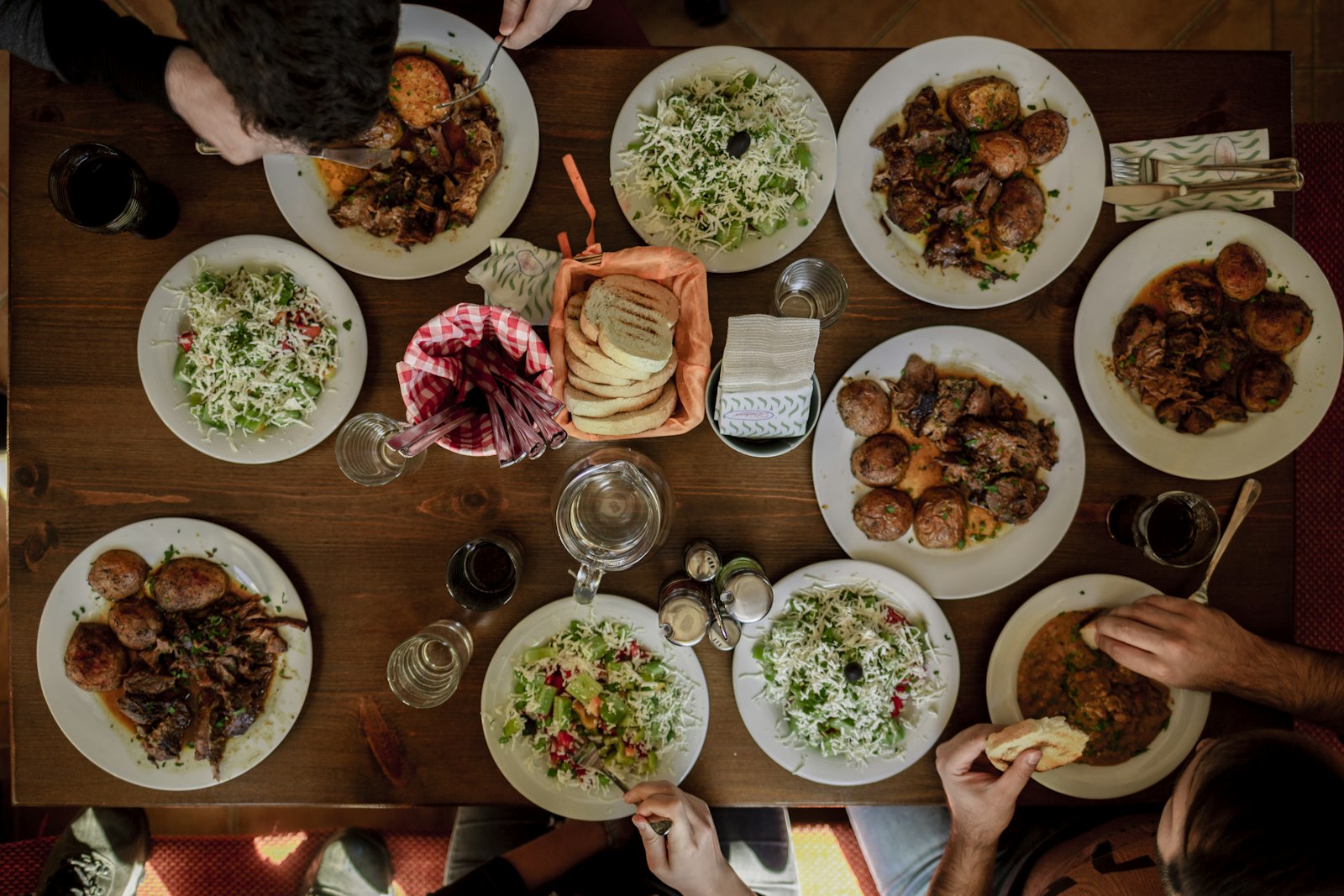
At my cousin Marta's wedding in the Apennine hills, in a stone farmhouse outside Porretta, the first course was tortellini in capon broth. It was served in wide white bowls at four in the afternoon, after the speeches and before the dancing, and I have never forgotten it. Thirty people stopped talking at the same moment.
The following winter I tried to make it at home. I used the same butcher, the same Parmigiano, the same flour. The tortellini were good. They were not those tortellini. It took me years, and a great deal of reading in food history, to understand why.
Festival Food Is Made by Crowds
The first reason is simple arithmetic. Wedding food in rural Italy was never cooked by one person. For Marta's wedding, six women from the village spent two full days folding pasta at a long table in the farmhouse kitchen. The broth was made from three capons and a piece of beef in a pot so large it had to be lifted by two men.
- A big pot of broth tastes deeper than a small one, because the bones simmer longer and more slowly.
- Pasta folded by many hands is thinner and more even, because the cooks compete with each other quietly.
- Food made in quantity is seasoned with confidence. Nobody tastes a single spoonful and hesitates.
Hunger and Waiting Are Ingredients
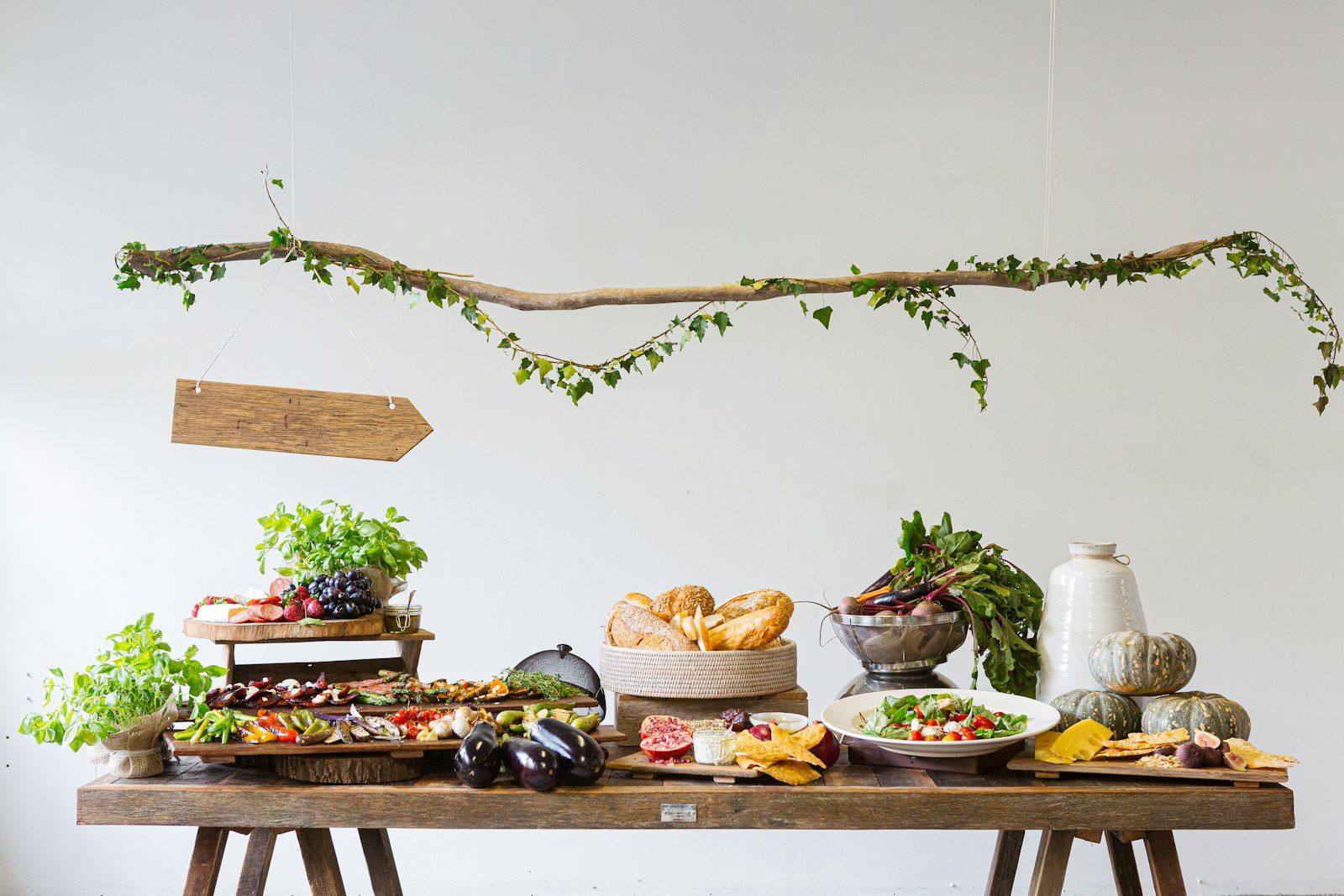
Historians of European festivals have written for a long time about the rhythm of feast days. For most of history, ordinary people ate meat rarely. A wedding or a saint's day meant a sudden abundance after weeks of bread, beans and vegetables. The pleasure of the food was inseparable from the waiting.
We still feel an echo of that. At Marta's wedding, we had stood in the church for an hour, then on a terrace in the sun for two more, drinking Pignoletto and eating almost nothing. By the time the bowls arrived, we were properly hungry. At home, on an ordinary Tuesday, nobody is.
A feast is a meal surrounded by the people who made it possible, and by the hours you spent waiting for it.
The Table Matters Too
There is also the table itself. Long tables, shared bottles, children running underneath, an old uncle singing a song from the war. Researchers who study taste have shown that our surroundings, the noise, the company and the light all change how we perceive flavour. Food eaten in a crowd of people you love really does taste different.
What I Do Now
I have stopped trying to recreate that bowl alone. Instead, once a year in December, I invite my aunts and cousins for a tortellinata:
- We spend the whole afternoon folding pasta together at my kitchen table.
- Someone brings a capon from the market, someone else brings wine.
- We eat late, when everyone is hungry, and nobody is allowed to leave early.
It is not Marta's wedding. But the broth is deep, the tortellini are thin, and for one evening the food tastes almost the way I remember it. The recipe was never the missing piece. The people were.
Cover: Photo by Stefan Vladimirov on Unsplash.