Why Your Fingers Turn White in the Cold, and When It Is Not Normal
A physiotherapist's guide to blood flow, cold hands and the condition called Raynaud's phenomenon.

Last winter a patient showed me her hand after a walk. Three fingers were completely white from the knuckle to the tip, as if someone had dipped them in chalk. Twenty minutes later, as she warmed up in the waiting room, they turned blue, then bright red, and began to throb.
She thought something was seriously wrong. What she had is very common, and it tells a neat story about how the body protects its core at the expense of its edges.
Your body sacrifices fingers to protect the heart
Your hands are full of small blood vessels, and they are an important tool for regulating temperature. In the warmth, those vessels open wide and release heat through the skin. In the cold, the sympathetic nervous system tells the muscles in the vessel walls to contract. Less warm blood flows to the surface, and more heat stays in the core where your organs need it.
Normally this is gradual. Your fingers get cold, pale and clumsy, but they still have some blood flow. There is even a clever mechanism called cold-induced vasodilation: after several minutes of cold, vessels in the fingertips briefly open again in cycles, giving the tissue a pulse of warm blood. Fishermen and others who work in cold water often have a stronger version of this response.
What Raynaud's phenomenon is
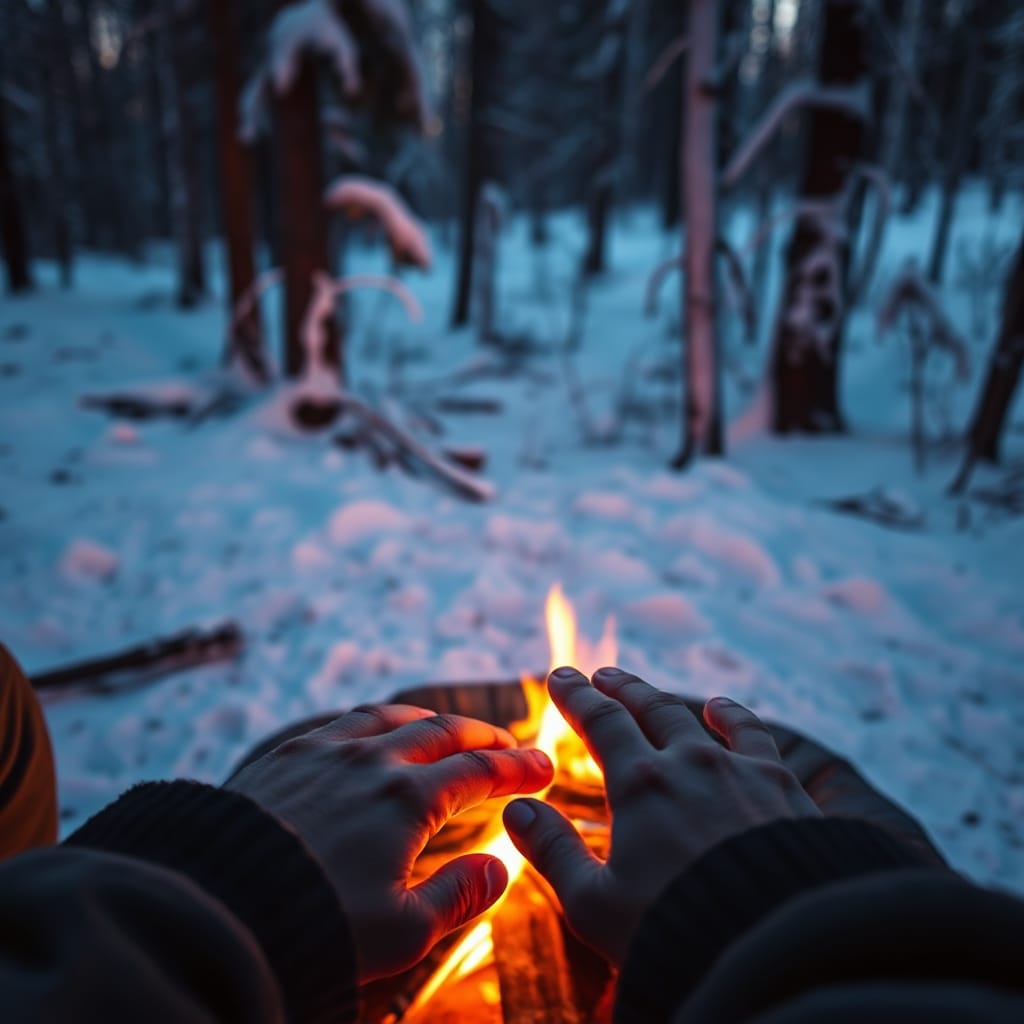
In Raynaud's phenomenon, the vessel narrowing is exaggerated. The small arteries in one or more fingers clamp down almost completely, so the finger turns white. As oxygen in the remaining blood is used up, it turns bluish. When the spasm releases, blood rushes back in and the finger turns red, often with tingling or pain.
Triggers include cold, but also emotional stress, since the same nervous system is involved. Estimates suggest that somewhere around 3 to 5 percent of people have it, and it is more common in women.
Primary versus secondary
Most cases are what doctors call primary Raynaud's. It starts in younger people, affects both hands symmetrically and does not damage the tissue. It is annoying but harmless.
Secondary Raynaud's is linked to another condition, often an autoimmune disease, certain medications, or repetitive vibration from tools. Warning signs worth taking to a doctor include:
- Symptoms that start after age 30 or 40.
- Attacks in only one hand or one finger.
- Sores or cracks on the fingertips that heal slowly.
- Joint pain, rashes or other symptoms alongside the colour changes.
What helps in practice
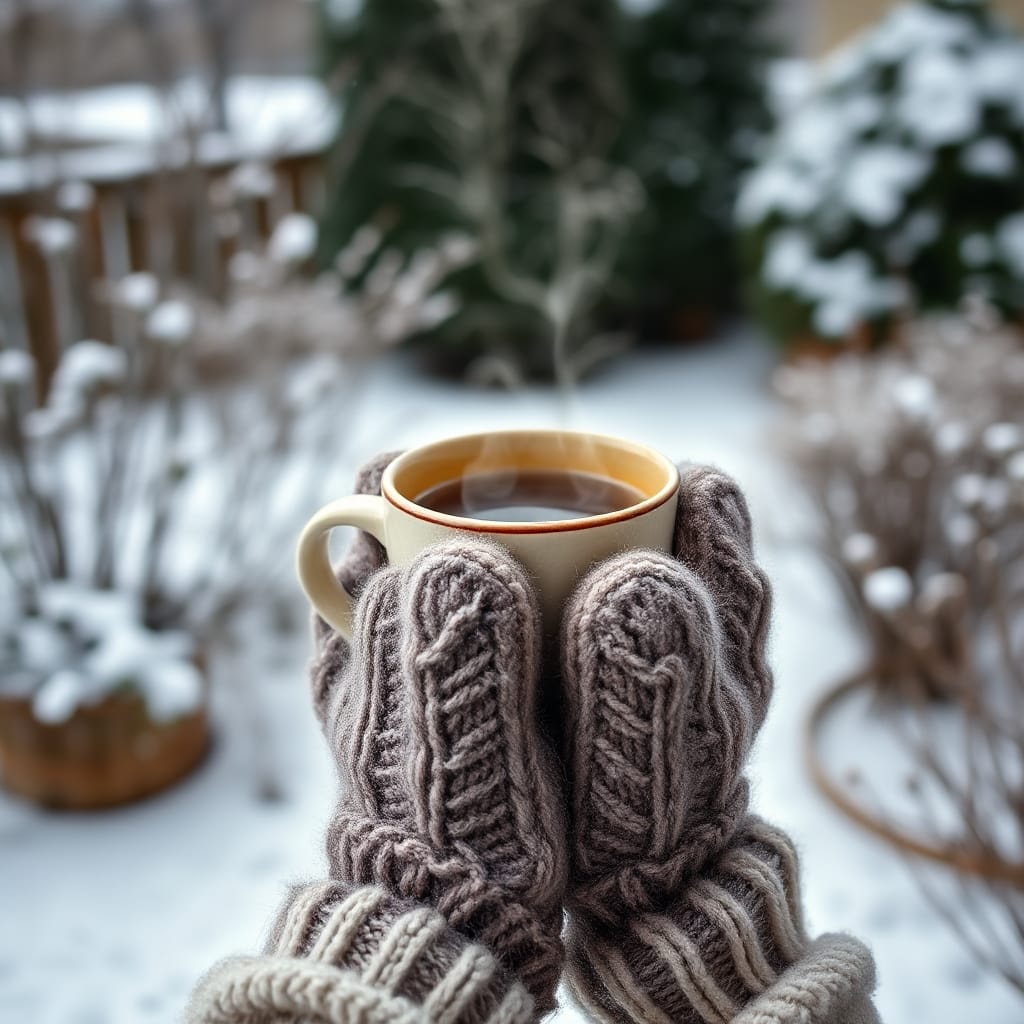
Keep the whole body warm, not only the hands; a warm core makes the body less eager to shut down blood flow to the fingers. Mittens are warmer than gloves because the fingers share heat. If you smoke, stopping helps, since nicotine narrows blood vessels. During an attack, warm the hands gently under lukewarm water or in your armpits, never directly on a stove or with hot water.
My patient now wears mittens with a pocket for a heat pad on her winter walks. She says her fingers stay pink. She also says she looks ridiculous, which she considers a fair trade.